
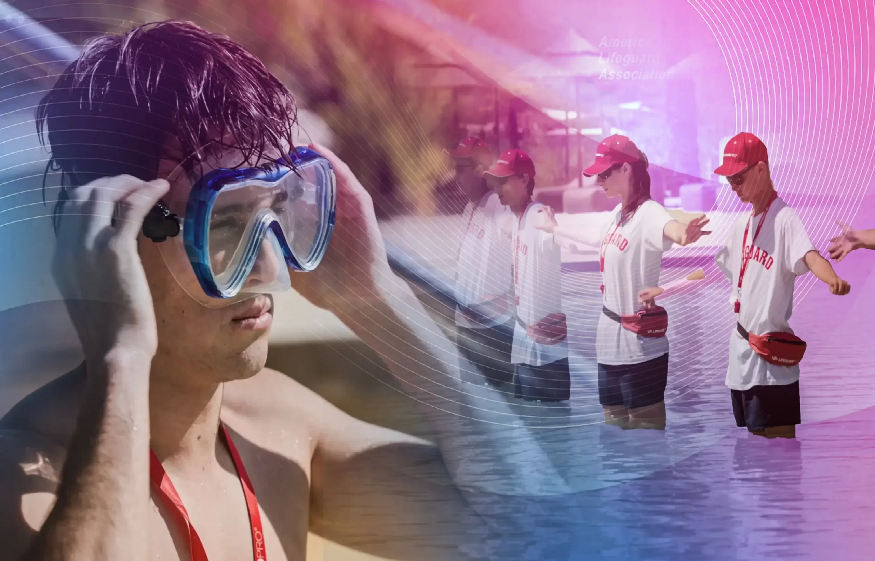
Summer after summer, aquatic facility managers across the United States face the same problem: not enough lifeguards. What was once a manageable staffing challenge has become a genuine crisis? Pools are reducing hours, closing lanes, and in some cases shutting down entirely not because of budget cuts, but because there simply aren’t enough trained, certified staff available to operate safely.
Understanding what’s driving this shortage and what smart facilities are doing about it is now a core management competency.
The Scale of the Problem
The lifeguard shortage has accelerated significantly in recent years. Industry surveys suggest that more than a third of public pools in the United States have been forced to reduce capacity or operating hours due to inadequate staffing. The problem is not evenly distributed rural areas, lower-income communities, and facilities with older infrastructure tend to be hit hardest. But no region is fully insulated.
Root Causes: What’s Behind the Shortage
Several structural factors converge to create this problem. First, the certification pipeline thinned dramatically during the pandemic, when in-person training was impossible for extended periods. Many would-be lifeguards aged out of the typical entry point without ever getting certified.
Read More : What Are the Benefits of My Assignment Services in Improving Assignment Quality
Second, competition from other entry-level employers has intensified. A 16-year-old weighing a lifeguard job against retail, food service, or gig work may find those alternatives offer more flexible hours with less perceived responsibility.
Third, geographic and logistical barriers to certification persist. Traditional group-format certification courses require candidates to show up at a specific time and place, which many young people with school, sports, or work commitments cannot accommodate.
How Facilities Are Solving This
The facilities managing this crisis best are attacking it from multiple angles simultaneously. Online certification has emerged as a major pipeline tool. The American Lifeguard Association’s blended learning course allows candidates to complete theoretical training at their own pace before attending an in-person skills assessment. This dramatically lowers the scheduling barrier for younger candidates and working adults.
Proactive recruitment has replaced reactive posting. Forward-thinking managers are visiting high schools, partnering with swim clubs, and building relationships with athletic department’s months before the season begins not in April when it’s already too late.
The Pay Question
Wages matter. For years, many public facilities paid lifeguards barely above minimum wage despite the significant responsibility the role carries. Facilities that have meaningfully raised starting wages often to $16 to $20 per hour depending on region report not only more applicants but better retention. The return on investment is compelling: the cost of a wage increase is trivial compared to revenue lost from reduced pool hours.
Building a Sustainable Pipeline
The most resilient facilities treat junior lifeguard programs as a strategic investment. Programs for young people aged 9 to 17 build swimming proficiency, introduce rescue basics, and create a direct pipeline into the certification program at age 15. Participants who complete junior programs are dramatically more likely to pursue full certification and they arrive already knowing your facility, culture, and expectations.
Retention: What Guards Actually Want
Hiring is only half the battle. Retention tactics that work include structured in-service training, clear advancement pathways to senior guard and supervisor roles, flexible scheduling, and recognition gestures. Guards respond to feeling like professionals because they are.
About the Author