
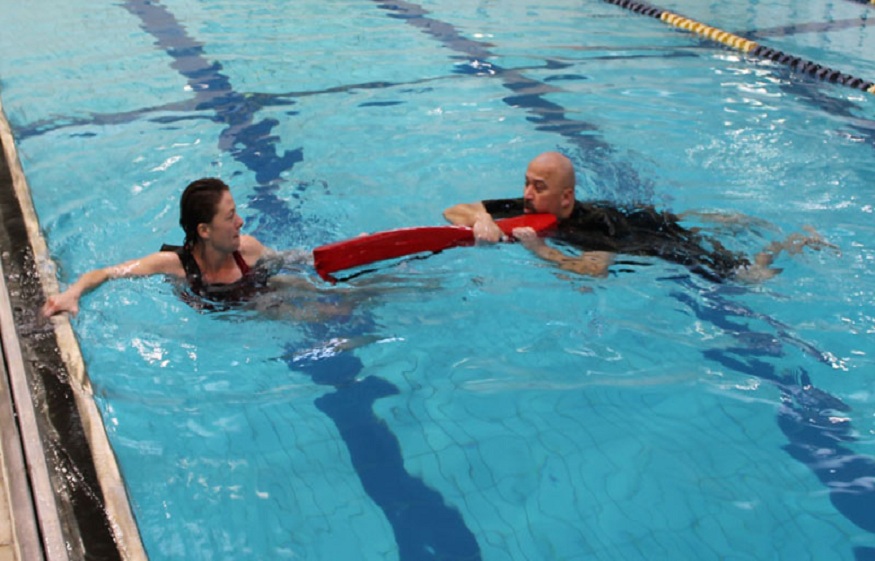
When people search for lifeguard certification, they are usually looking for a trusted, flexible, and recognized program that prepares them for real-life emergencies. American Lifeguard Training (ALT) is one of the most reliable options available today, offering structured programs that focus on both skill development and safety awareness.
Whether you want to start a career as a lifeguard or simply learn life-saving skills, understanding how this training works can help you make the right decision.
What Is American Lifeguard Training (ALT)?
American Lifeguard Training (ALT) is a professional certification program designed to equip individuals with the knowledge and practical skills required to prevent and respond to water-related emergencies.
Read More: What Are the Benefits of My Assignment Services in Improving Assignment Quality
This program is provided by the American Lifeguard Association, a well-established organization that focuses on water safety education and lifeguard certification. The training follows national safety guidelines and emphasizes real-world application.
The course typically covers:
- Water rescue techniques
- CPR (Cardiopulmonary Resuscitation)
- AED (Automated External Defibrillator) use
- First Aid procedures
- Emergency response strategies
Unlike generic courses, ALT focuses on hands-on readiness, ensuring that participants are prepared to act quickly and confidently in emergencies.
Who Should Choose American Lifeguard Training?
American Lifeguard Training is ideal for anyone who wants to work in aquatic environments or gain life-saving skills.
Who Can Benefit the Most?
- Aspiring Lifeguards
If you want to work at pools, beaches, or waterparks, this certification is often a requirement. - Students and Young Adults
Many teenagers and college students choose lifeguarding as a flexible and rewarding job. - Fitness and Aquatic Professionals
Swimming instructors, coaches, and gym staff can enhance their credentials with ALT certification. - Career Switchers
Individuals looking for part-time or seasonal work can quickly enter the workforce with this training. - Safety-Conscious Individuals
Even if you don’t plan to work as a lifeguard, learning CPR and rescue techniques can help you protect others.
In simple terms, if you want to save lives, work near water, or build a valuable skill set, this training is for you.
How Does American Lifeguard Training Work?
The training process is designed to balance theory with practical experience.
Step 1: Registration
You enroll in a certified American Lifeguard Training (ALT) program. Many courses offer flexible learning options, including blended learning formats.
Step 2: Online & Classroom Learning
Participants learn essential concepts such as:
- Risk prevention and surveillance
- Emergency response planning
- CPR and First Aid fundamentals
This phase builds a strong foundation before practical application.
Step 3: Hands-On Training
Practical sessions include:
- Water rescue drills
- Victim handling techniques
- Simulated emergency scenarios
This step ensures you can apply your knowledge in real-life situations.
Step 4: Final Assessment
You must pass both written and practical exams to demonstrate your competency.
Step 5: Certification
Once you pass, you receive a nationally recognized certification that qualifies you to work as a lifeguard.
How Does ALT Prepare You for Real-Life Emergencies?
One of the biggest concerns users have is whether the training actually prepares them for real situations.
ALT focuses heavily on practical readiness, which includes:
- Recognizing early signs of drowning
- Responding to unconscious victims
- Performing CPR under pressure
- Managing multiple emergency situations
This real-world approach ensures that participants are not just certified but confident and capable.
What Skills Will You Gain from American Lifeguard Training?
By completing the program, you develop a wide range of skills, including:
Life-Saving Skills
- CPR and AED usage
- Emergency First Aid
- Water rescue techniques
Professional Skills
- Responsibility and decision-making
- Communication and teamwork
- Leadership in high-pressure situations
Personal Development
- Confidence
- Physical fitness
- Awareness of safety protocols
These skills are valuable not just for lifeguarding but for everyday life.
How to Contact American Lifeguard Training (ALT)?
If you are ready to enroll or need more information, you can contact:
Name: American Lifeguard Training (ALT)
Organization: American Lifeguard Association
Phone: 703-761-6750
Address: American Lifeguard Association
8300 Boone Blvd 5th Floor
Vienna, VA 22182
Reaching out directly allows you to:
- Get course details
- Check availability
- Understand certification requirements
What Should You Look for Before Enrolling?
To ensure you choose the right program, consider the following:
Accreditation
Make sure the certification is recognized by employers.
Course Structure
Look for a mix of theory and practical training.
Flexibility
Choose a program that fits your schedule.
Instructor Experience
Qualified instructors make a big difference in learning quality.
Support
Good programs offer guidance even after certification.
How Long Does It Take to Complete the Training?
Most American Lifeguard Training programs can be completed within a few days to a couple of weeks, depending on the format.
- Fast-track courses: 2–3 days
- Blended programs: 1–2 weeks
This makes it a great option for those who want to start working quickly.
What Career Opportunities Are Available After Certification?
After completing American Lifeguard Training, you can explore various job opportunities:
- Swimming pools
- Beaches and resorts
- Waterparks
- Fitness centers
- Schools and community centers
Lifeguarding is also a great stepping stone for careers in:
- Emergency services
- Healthcare
- Sports and fitnes
How Much Can You Earn as a Lifeguard?
Earnings vary depending on location and experience, but lifeguards generally earn competitive hourly wages.
Benefits include:
- Flexible schedules
- Seasonal opportunities
- Valuable work experience
What Are the Requirements to Join ALT?
Before enrolling, you typically need:
- Strong swimming ability
- Basic physical fitness
- Ability to pass a swim test
Some programs may also require a minimum age (usually 15–16 years).
How Often Do You Need to Renew Certification?
Lifeguard certifications usually need renewal every 2 years.
Renewal ensures that you:
- Stay updated with latest safety protocols
- Maintain your skills
- Remain eligible for employment
Why Is American Lifeguard Training a Smart Choice?
Choosing American Lifeguard Training (ALT) offers several advantages:
- Recognized certification
- Practical, real-world training
- Flexible learning options
- Strong reputation in the industry
Most importantly, it gives you the ability to save lives and make a meaningful impact.
Final Thoughts: Is American Lifeguard Training Right for You?
If your goal is to gain a valuable skill, start a rewarding job, or make a difference in people’s lives, American Lifeguard Training is an excellent choice.
Read More: What Are the Benefits of My Assignment Services in Improving Assignment Quality
It combines:
- Professional certification
- Practical training
- Career opportunities
In today’s world, where safety is more important than ever, having life-saving skills is not just beneficial—it’s essential.
About the Author